
Airplanes. Trains. Ferries. Buses.
Europe is extremely accessible today – you really can get just about anywhere with endless airlines and ground transportation to choose from.
But what do you do when you get there?
Public transportation, which we are HUGE supporters of, is a great option while spending time within a major city.
However, sometimes your best option may be to rent a car.

From our personal experience, renting a car in certain places allowed us to really dive into the culture and explore parts of a country that either weren’t accessible by public transportation or were just too expensive to take other modes of transportation.
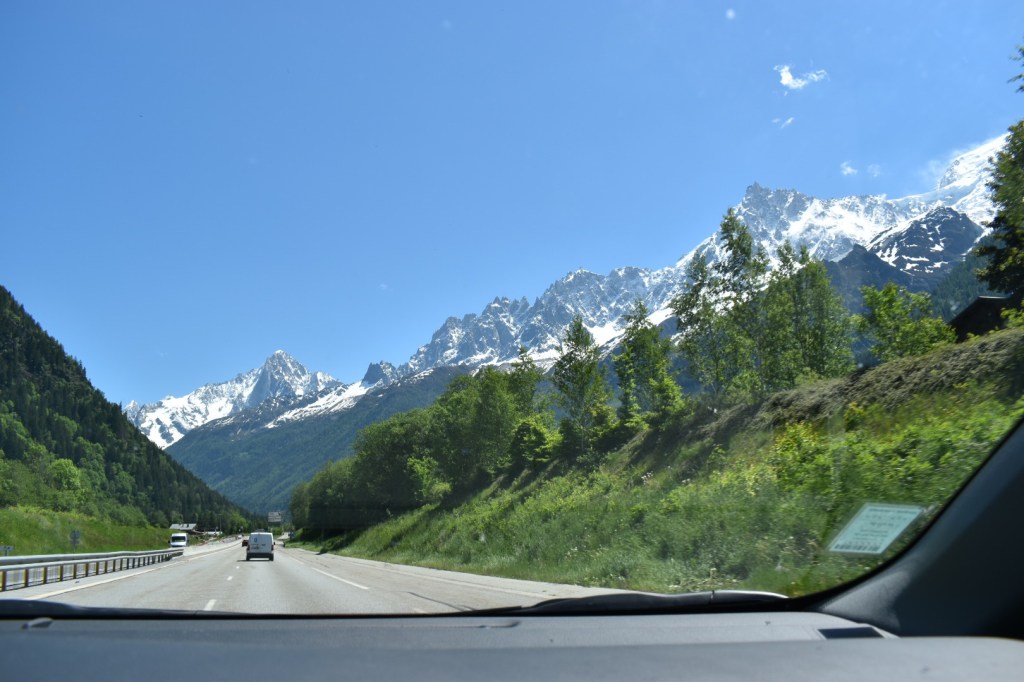
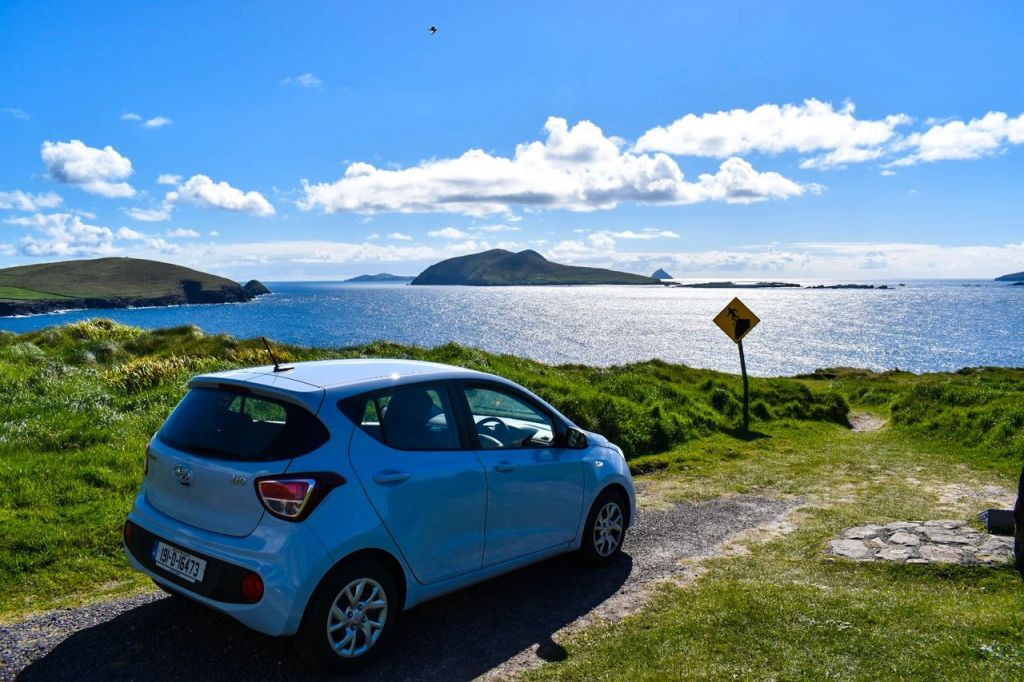
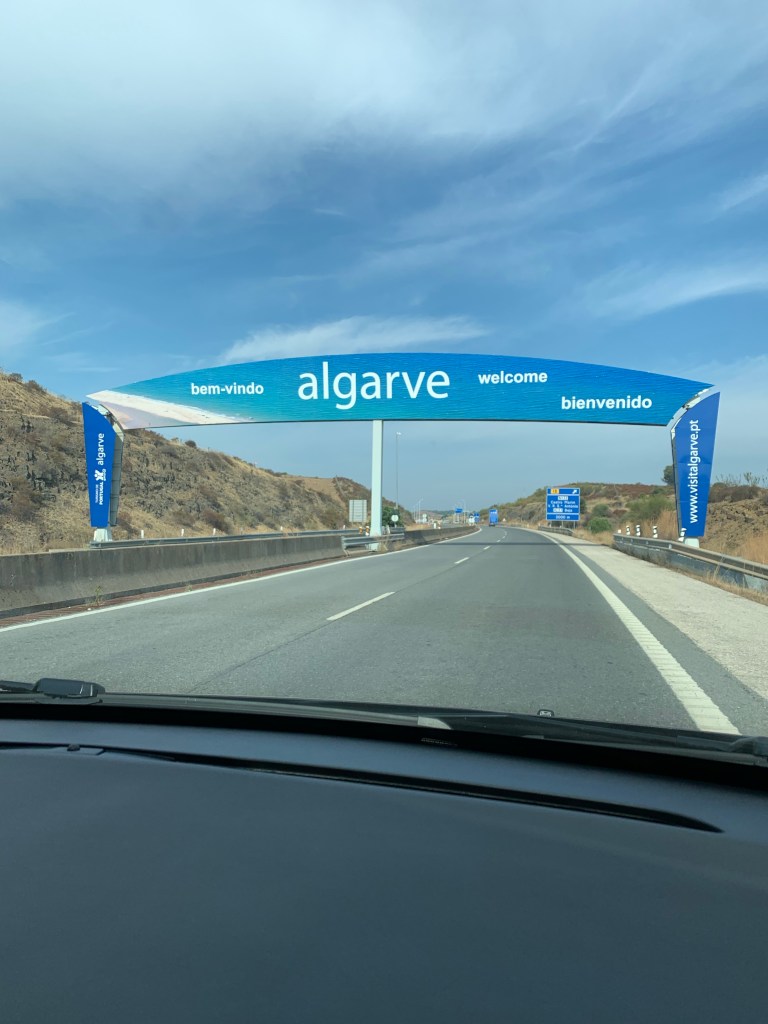
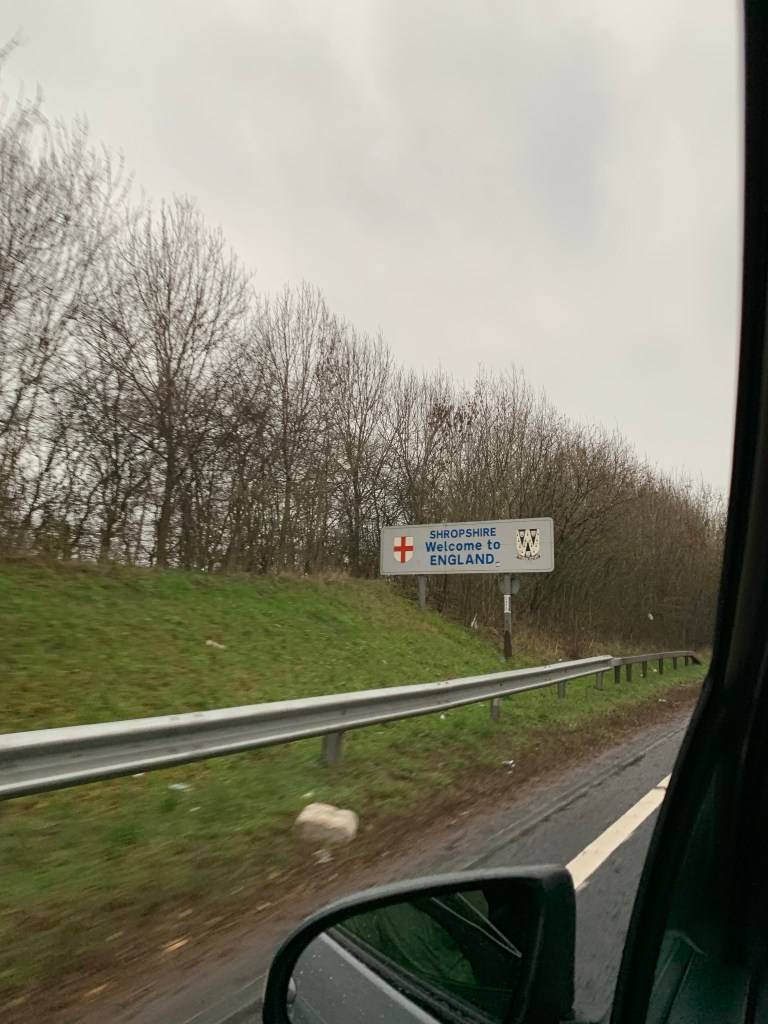
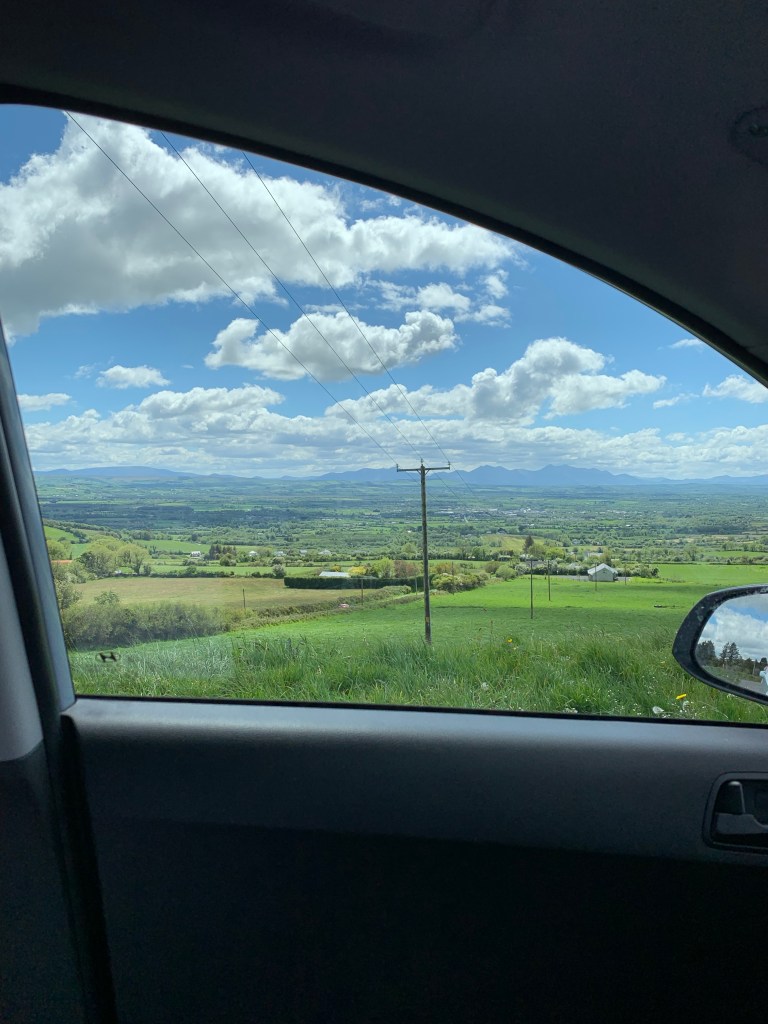
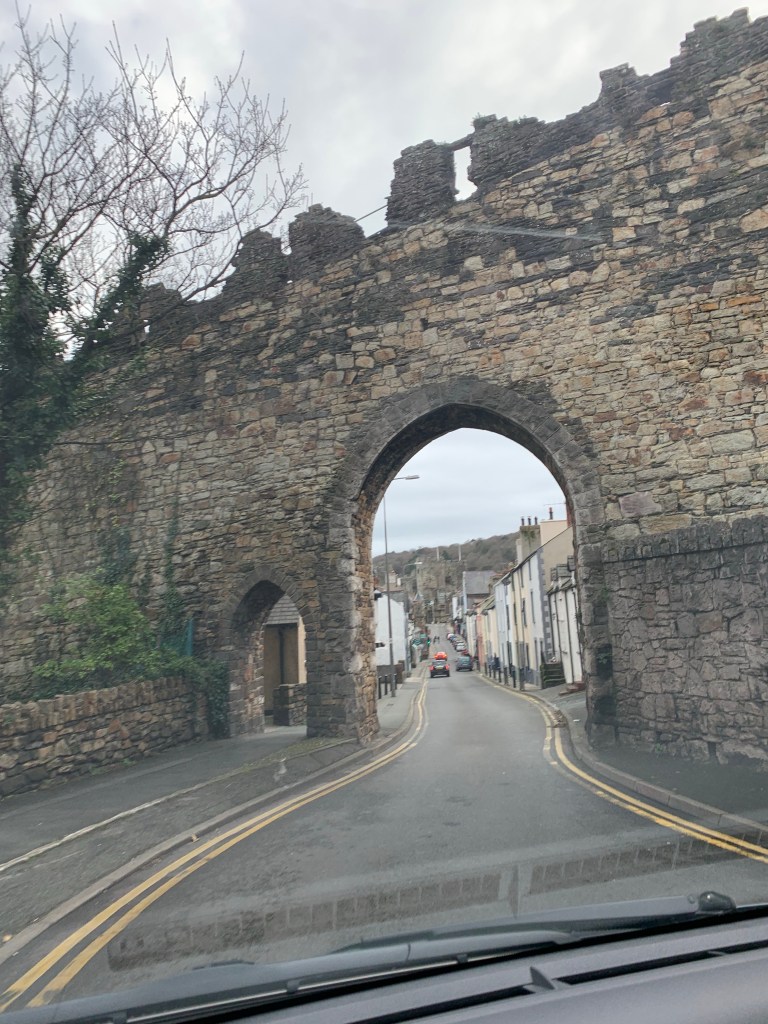
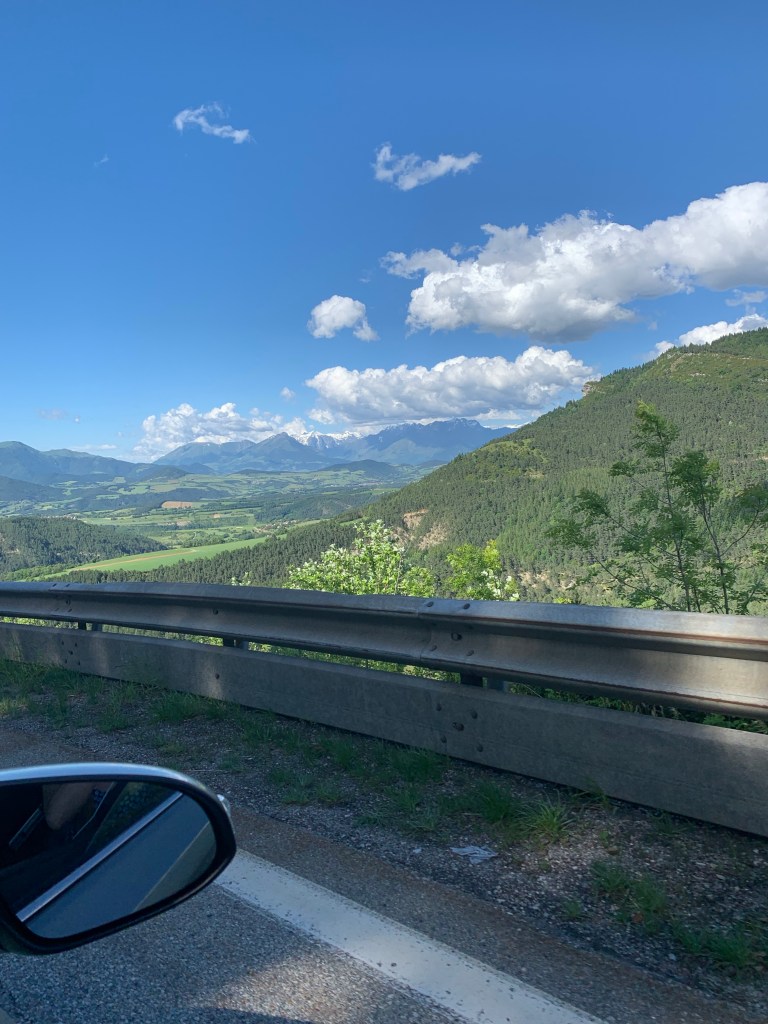
We drove all along the Algarve Coast in Portugal. Zipped through the hilly regions of Spain. We rode through the Alps and the French Riviera. We cruised through the beautiful English countryside. We rolled the windows down and stayed within view of the Adriatic Sea from Dubrovnik to Zadar. We entered a medieval timezone as we drove all throughout Wales and found ourselves in a small town within castle walls. We enjoyed the never-ending green horizons in Ireland and spent a week driving around Loch Ness in Scotland.
Renting a car is amazing. But with any new adventure, we did run into a few headaches.
Luckily for you, we will clear those up right now so that hopefully you can learn from our mistakes and they can be avoided!
Mistakes to avoid when renting a car:
1. Understand each specific country’s driving rules and road signs.
Each country has it’s own specific laws for the road. Obviously in the United Kingdom, drivers sit and drive on the opposite side compared to what us Americans are used to. But did you know that when you see a grey and black sign that looks like it means “do not enter” it actually just means that the national speed limit applies?
What’s the national speed limit? Sounds like it should be one set number, right?
Nope. The national speed limit in the UK is 60 mph on single carriageway roads and 70 mph on dual carriageways and motorways.
Yes, the UK uses miles per hour instead of kilometers.
In Croatia, if there are no road signs present specifically stating a speed limit then they are as followed: 50km/h within inhabited places, 90km/h outside inhabited places, 110km/h on expressways, and 130km/h on motorways.
Bottom line: make sure you briefly review the road signs and laws in the country where you’ll be driving and maybe have a webpage open on your phone so your co-pilot can quickly look if you get confused.
2. Watch the speed limit!
I know this sounds extremely obvious, but seriously, watch the speed limit.
I am not an erratic driver in any way, shape, or form. In fact, I always try to go the speed limit when in foreign countries because the last thing I want to do is get pulled over.
But police officers are few and far between on the motorways and major routes in Europe.
They are replaced by something else that can catch many more offenders in an hour than a police officer can: SPEED CAMERAS!
After spending 2 months in France and Spain, I was shocked when we came home for a few weeks to find that I was receiving a speeding violation in the mail every other day.
5 total to be exact – totaling almost 500 euros.
Now, even if my writing comes across as frustrated or sarcastic – I wholeheartedly admit that i was wrong and I should’ve paid closer attention to the speed limit.
Even if I did get snagged for going 54km/h in a 50km/h (only 2.4 mph over the speed limit).
Biggest takeaway from the entire article – just go the speed limit and watch for areas where you suddenly enter a smaller town and the speed limit drops.
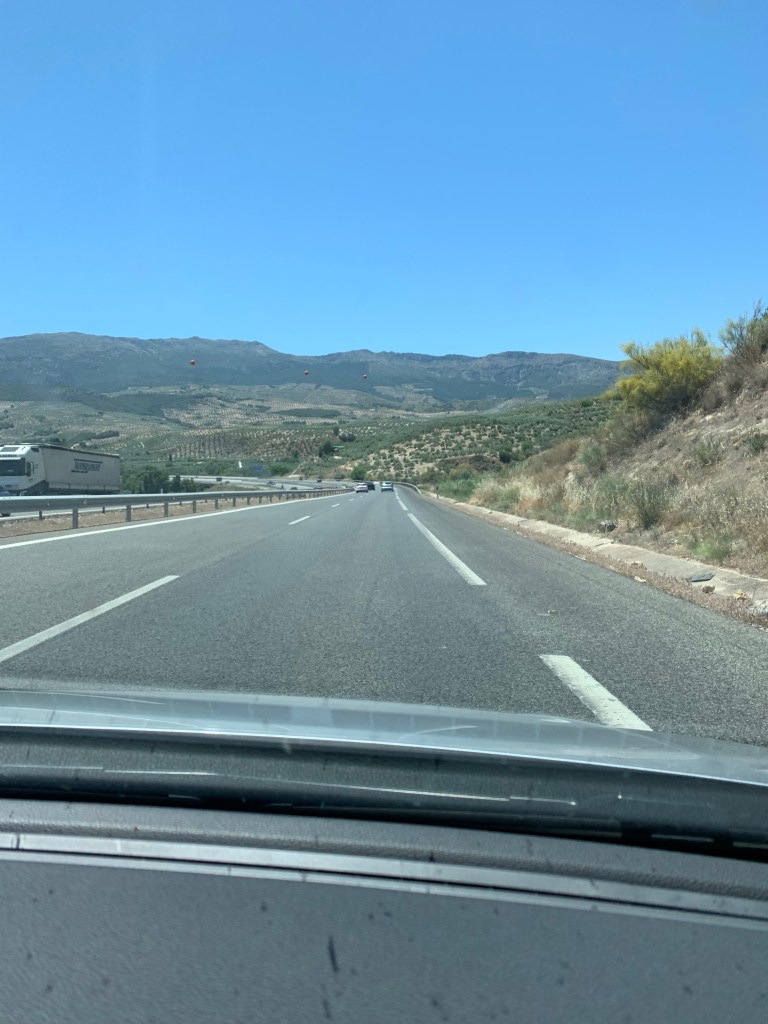
3. Know your credit card’s auto insurance policy.
If your credit card covers car rentals, we recommend not taking out additional rental insurance when abroad and saving quite a bit of money. Just like at home, they try to upsell you at the counter. I used to work for Enterprise so I oddly and awkwardly enjoy listening to their sales pitches.
Once we’ve said that we will be using the rental insurance provided by our credit card, we’ve never had an issue or a rebuttal.
IMPORTANT TIP – make sure that you book your rental car using the credit card with your rental car insurance. You will be asked to present it.
The only time we ever had an issue renting a car was in Ireland. Ireland has some weird rules where rental companies won’t accept your credit card coverage as valid unless you have written proof from the credit card company. We did not know this and ended up wasting a few hours in Dublin airport trying to get a representative from VISA on the phone to confirm with the Avis Rental agent that the card would cover us in Ireland.
This isn’t a big deal 95% of the time, but it’s better to be safe so just check prior to departure and if proof of insurance is needed, just call the number on the back of your card before hand. When booking your rental car, it will normally say if insurance is required and if you need proof.
4. If you can’t drive manual, you made a mistake!
Just kidding, it’s fine. I can drive manual (sorta, with occasional stalling), but am not comfortable doing it, especially on the other side of the road!
Therefore we normally book our rentals with an automatic car.
So what’s the mistake here?
If you know how to drive stick shift then you will save some SERIOUS cash and will be very surprised just how cheap renting a car abroad can be.
5. Last but not least, take some time to plan out your route
There’s nothing wrong with just getting in the car and taking off. But if you’re like us, you like to plan ahead and try to limit unexpected surprises.
If you’re using a GPS (or SatNav in the UK) make sure to look and determine if you will be on any toll roads. We’ve never had an issue with tolls, but depending on how far you’re driving, they can definitely add up. We once drove across all of Northern France and it ran us around 87 euros. In our case, avoiding tolls wasn’t really an option as it would’ve added another 5+ hours to our trip, but we should’ve looked it up prior instead of me complaining at every single toll 🙂
More importantly, one of the reasons you may be renting a car is to take one of the numerous different scenic routes throughout Europe. Whether you are driving down the Algarve Coast in Portugal (look up their toll system in advance), cruising down the D8 in Croatia – which many compare to Highway 101 in California, or winding around the Wild Atlantic Way in Ireland, it’s good to have an idea where you’re headed so your GPS doesn’t take you away from the beautiful views and onto a motorway. It’s not a huge deal if you do get mixed up, but you’ll more likely than not be off the scenic route and, depending on the country, have to pay a toll.
We’ll leave you off with one final tip:
If you’ve decided to stick it out on airplane mode during the duration of your trip, there’s still a way that you can use apps like Google Maps. Before you leave your Airbnb or hotel and while still on wifi, enter your end destination and hit ‘start’ before you lose the wifi connection.
Google Maps will still work. Just don’t expect to reload if you go the wrong way! But no worries, you only need to backtrack to the highlighted route to get back on track.
Extra Time Abroad is a lifestyle blog focusing on three areas: finance, sustainability, and travel. The blog is managed by husband/wife duo JJ & Janelle. They can be found on Instagram @ExtraTimeAbroad or at the airport!
 Extra Time Abroad