
Our Journey Home
If you’ve made it this far, then you have probably already read Parts 1 & 2 of this blog series! If not, catch up here:
Part 1 – for our initial travels during the COVID outbreak
Part 2 – to hear about our cancelled flights and frequently changing plans
Ok, now that were all caught up. . .
Let’s pick up where we left off!
Japan: February 25-March 16, 2020
After the craziness of changing our plans to leave Korea at the last minute, our entire journey to Tokyo was quite uneventful.
Our flight from Seoul was surprisingly full. Luckily we had found and bought new N95 masks at a market in Seoul, and we specifically saved them for the time we knew we’d soon be spending on airplanes. We wore these for the entire 3 hour flight to Tokyo!
Upon landing in Japan, we instantly felt safer, despite all of the news that Japan had cases of the virus as well. On arrival, JJ was intensely questioned by a customs and immigration agent, and my large suitcase was completely searched. We literally watched the agent going through my dirty laundry (oops).
Japan was somewhat unfairly reported about due to the Diamond Princess Cruise ship, and so the numbers of infections in the country were somewhat distorted. The important thing was that cases were only very, very slowly increasing (if at all).
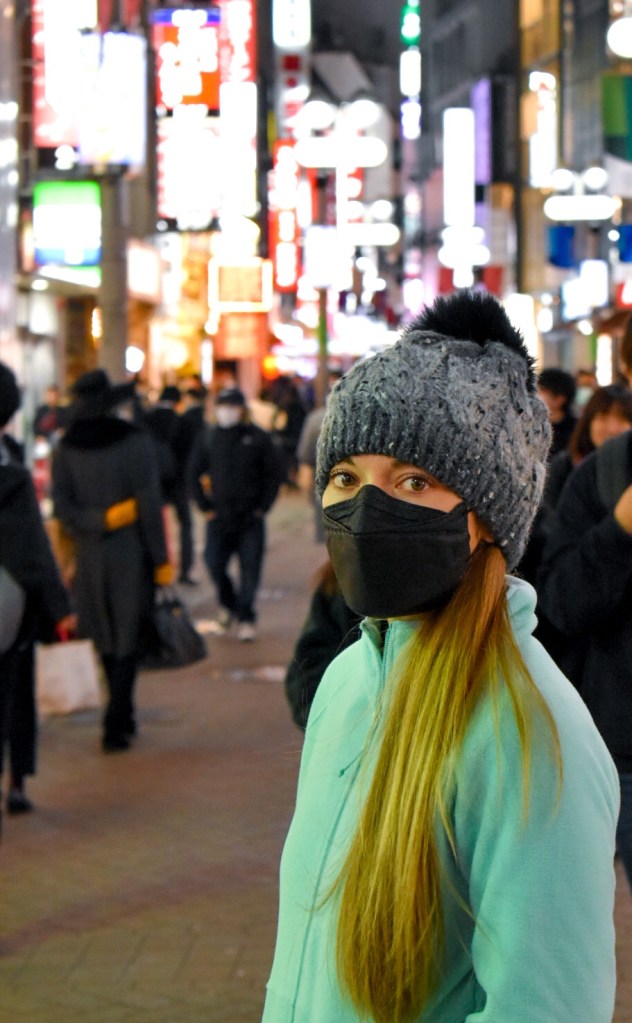
We continued to wear masks every single day of our 3 weeks in Japan, except when we were out hiking or were far away, with no other people in sight.
However, despite feeling “safe,” we were hyper aware that things can change overnight with this virus. We had lost money on our Airbnb in Korea leaving a few days early, and were determined for this not to happen to us in Japan.
So, we purposely didn’t book anything anywhere until we were basically on our way there!
We went to our must-do cities earlier in the trip, just in case we had to make another early exit from yet another country.
But — finally some good news — everything seemed to work out ok for our itinerary!
Other than at the Tokyo airport, there were no temperature checks throughout our next 3 weeks. Once again, everyone was wearing masks and we could tell immediately that this was a very clean society.
Historically, the Japanese wear masks in daily life when they are feeling a bit under the weather as they help prevent the spread of any sicknesses to others. Therefore, logically, if everyone is wearing masks, it will limit the spread of this virus. Those who are infected are keeping it within their mask if they cough or sneeze, and those who are not affected at least have a shield in front of their face.
We understand that there is a lot of concern in some countries over the shortage of masks for healthcare professionals, and that’s a massive issue. But it is highly possible that the reason COVID-19 has spread slowly in Japan (outside of the cruise ship breakout) is because everyone is playing it safe and wearing masks every time they leave their homes.
This may be a controversial topic but it is our opinion based on our experiences.
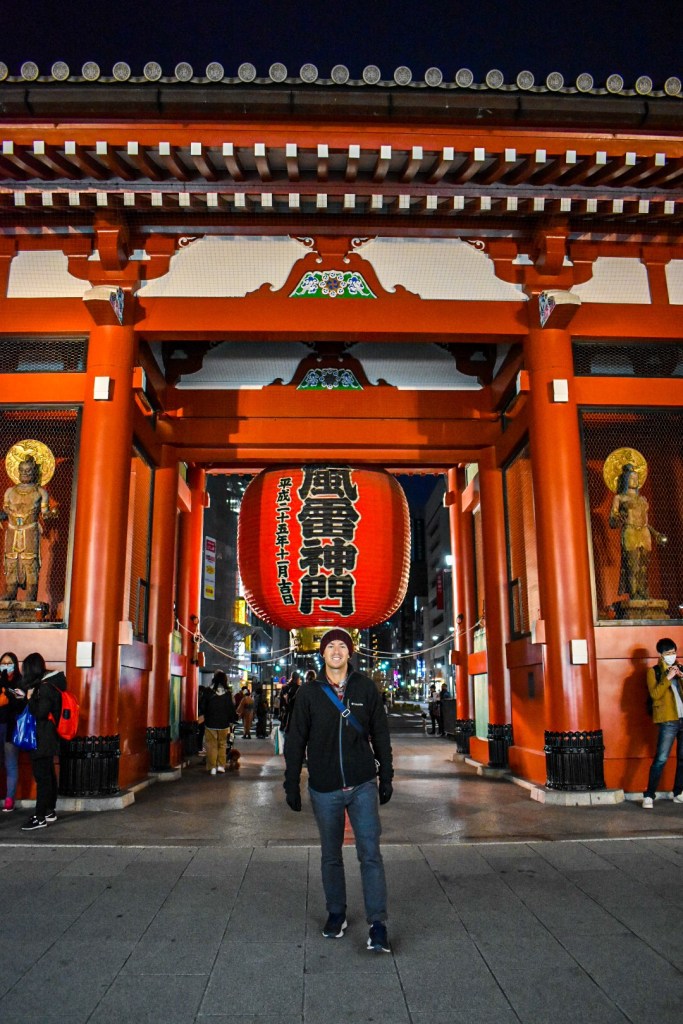
Unfortunately, Japan was really feeling the effects of tourism being down. We were able to find accommodation for great prices in every city we went, and often for a large discount off of the normal price.
But it was very sad and apparent that this was really having an effect everywhere we went.
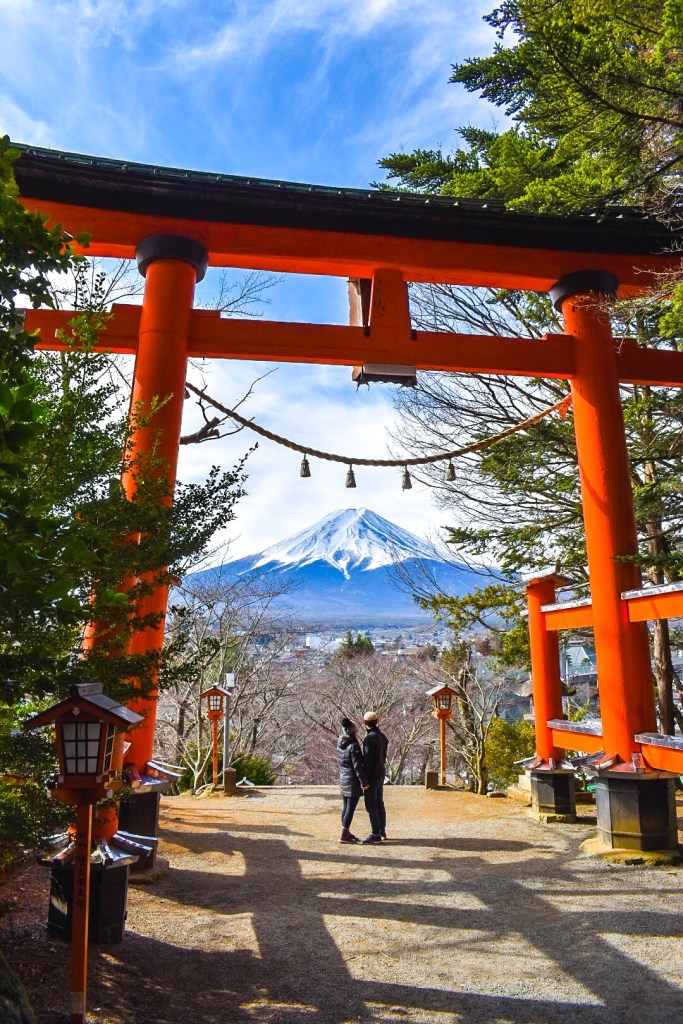
One example was during our visit to Mount Fuji. Our Airbnb host told us that this time of year is usually very busy because the cherry blossom season is approaching.
But unfortunately while we were there, we were the only ones staying at his home for 2 of the 3 nights (out of 4 available bedrooms!).
When he dropped us off at the train station on our last day, he thanked us so, so much for coming and said we “saved his family.” We just wanted to cry!
We felt so bad for these people once again who depend on tourism for an income. It is heartbreaking to think about, especially now that the spread of the virus is worsening in so many countries all around the world.
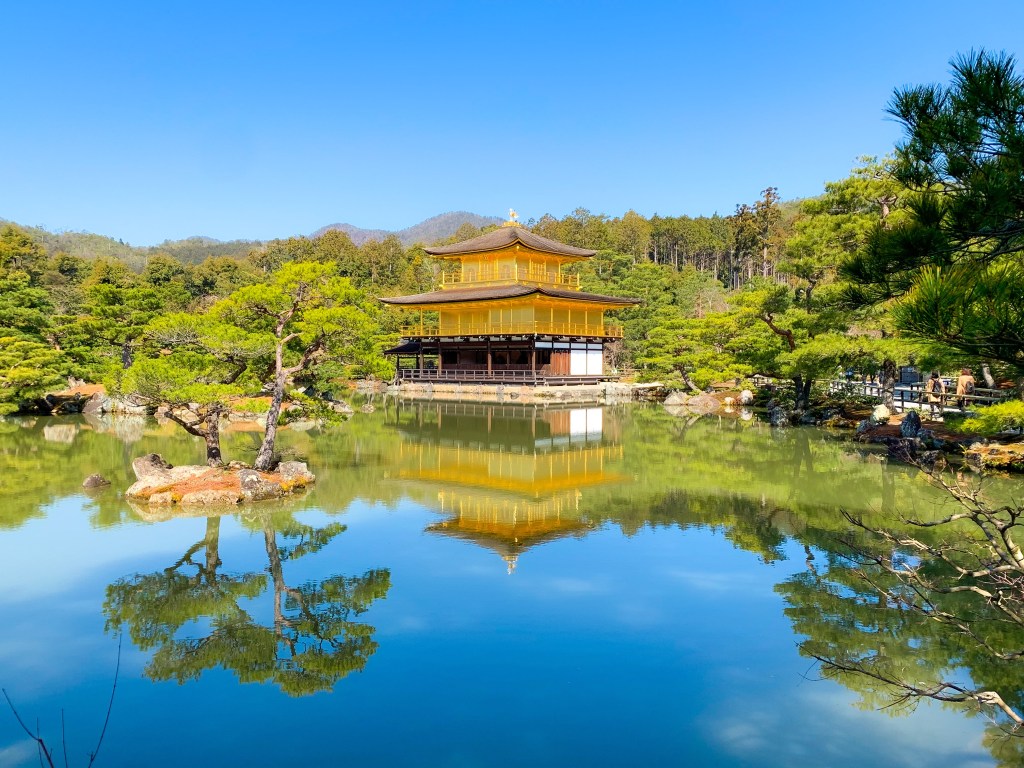
Japan is an amazing place. Absolutely beautiful. Cities, nature, cuisine (yes, even for vegetarians).
It was unfortunate that many tourist attractions were closed while we were there: museums, temples, theme parks, anything you can think of. We were able to see some from afar, but many were just straight up closed.
Even the Tokyo Marathon was cancelled except for the 100 elite runners who were running in it.
However, we got to see some amazing sights that are normally really crowded. We were able to go to so many restaurants with no wait or difficulties, despite reading that you often need a reservation many days ahead of time to even get in the door.
The silver lining in Japan was that we really got to talk to so many people who would otherwise have been so busy on normal occasions: our Airbnb hosts, restaurant owners, and even other people who were just plain wondering what we were doing there.
It was so nice hearing everyone feeling so grateful that we were there visiting their country. We met some amazing people along the way and lived a little more simply.
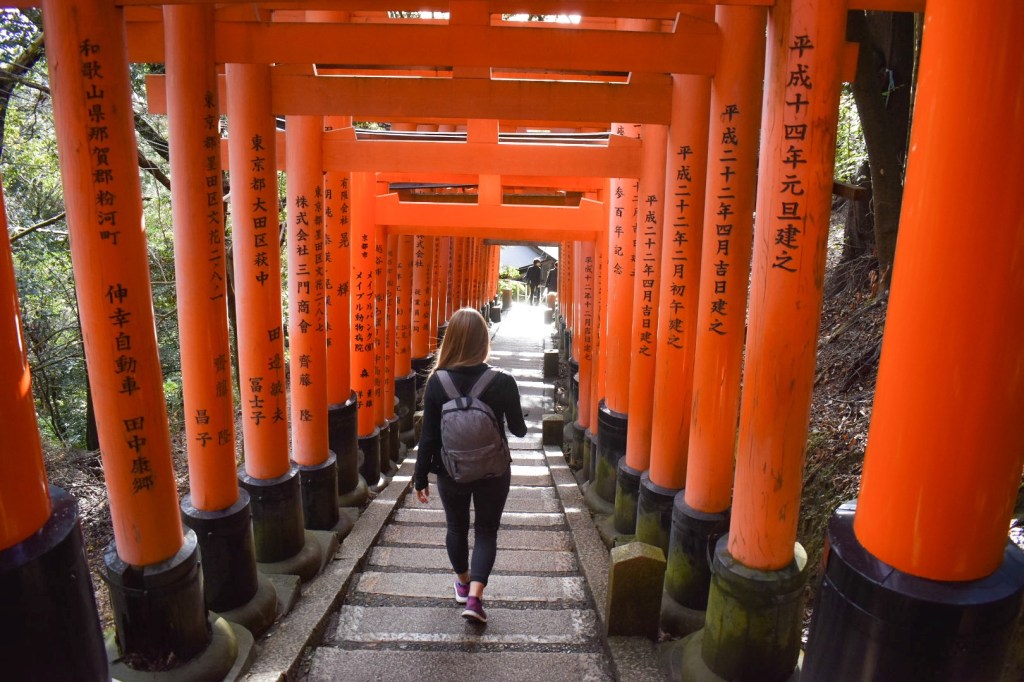
Overall, we felt that Japan was handling the virus outbreak extremely well. The country as a whole is extremely clean, and it was obvious to us that Japanese people strive to maintain good health and especially cleanliness.
On March 11, 2020 – WHO declared a worldwide pandemic. But the number of cases hadn’t changed significantly in Japan over the 3 weeks since we had arrived. Although we were bummed that many places were closed, we totally understand and know that it was absolutely for the best.
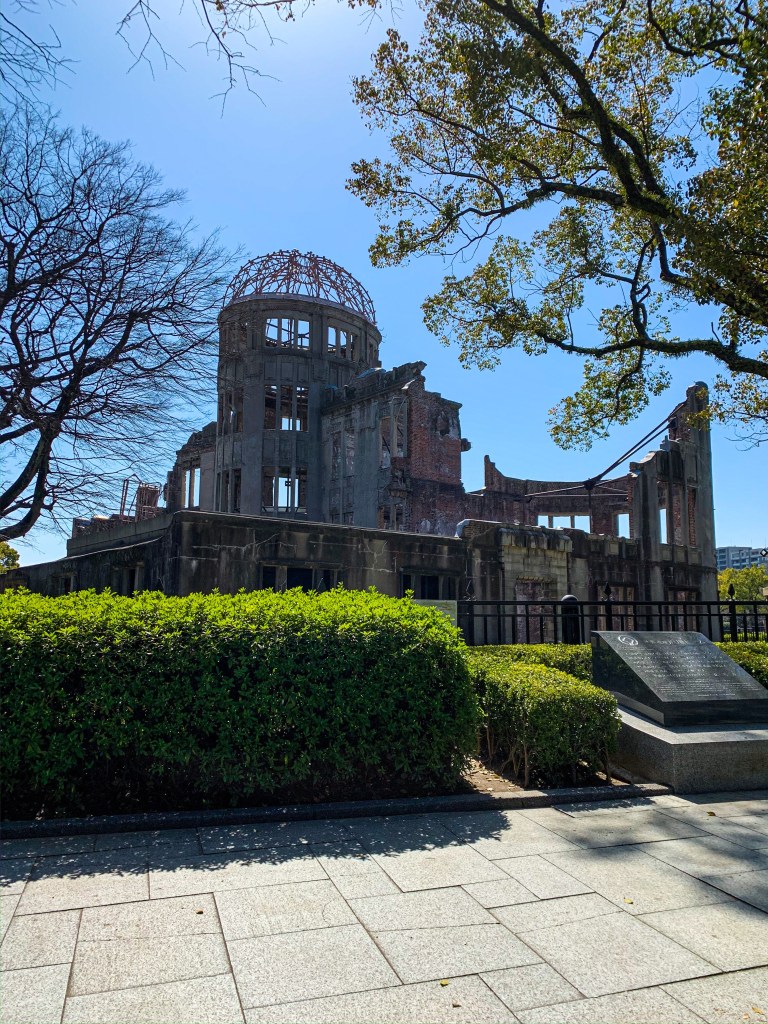
On March 16, 2020, as we were sitting in a cafe on our final day in Japan, we were waiting to head to the airport when we heard the latest news coming from the U.S. The CDC had officially banned gatherings of more than 50 people and the U.S. government was now encouraging “social distancing.”
A really strange feeling came over us: for 3 months, many people reached out to us with serious concerns for our safety. But now, as we were awaiting our flight back to the United States, we were generally concerned for everyone’s safety back in our own country.
After escaping the virus in one country after another, we were officially heading back home to the most “at-risk” country we had been to so far.

Our plan was always to head to Hawaii for our final 2 weeks of our trip around the world. But now the questions absolutely crossed our minds: are we safer here in Japan? Should we stay away from the U.S, where social distancing has just begun and COVID cases are skyrocketing? Would all flights and travel be banned completely? Will we even make it home if we try?
If we did go home, we really weren’t sure what to expect: would we be questioned at customs, would we have to do a mandatory quarantine, would we be officially tested for coronavirus..?
We had no idea how anything was going to play out. Nonetheless, we decided it made sense to return to the U.S. After all, country borders may become closed everywhere and it could be months and months before they reopen.
So, we put on our masks, headed to the airport, and boarded our flight, mentally preparing ourselves for the uncertainty of what lie ahead over the next weeks and months.

Hawai’i: [originally planned] from March 16-30, 2020
When we landed in Honolulu, we were stunned. . . speechless. . .shocked.
We had spent the last 7 months outside of the United States (including the past 3 months in Asia!!!), and our most 2 recently visited countries were Japan and South Korea. We were surely expecting to be questioned…tested…even quarantined before entering the U.S. We would even go as far to say we wanted to be asked about our travel history, if we had any symptoms, a temperature check, how long would we be in Hawaii, anything! These were, after all, common practices in the previous countries we had visited.
So what actually happened when we landed in Hawai’i? We were asked ONE QUESTION.
Agent: Where is your flight coming from?
JJ: Japan.
Agent: OK, have a nice day.
Us: looking wide-eyed, walking to collect our bags.
That’s it. We truly couldn’t believe it.
We were looking around, trying to have our temperature taken, and wondering if anyone wanted to ask us how we felt. It was shocking to think that people all over the world were flying into the U.S, no questions asked.
While we understand the stress and over worked nature of all the brave workers who are affected by this pandemic – we were fully prepared to be stopped and questioned, with the real possibility of being quarantined or even tested based on travel history alone.
This encounter was alarming and it set the stage for our entire stop in Hawaii, which was eventually cut short.
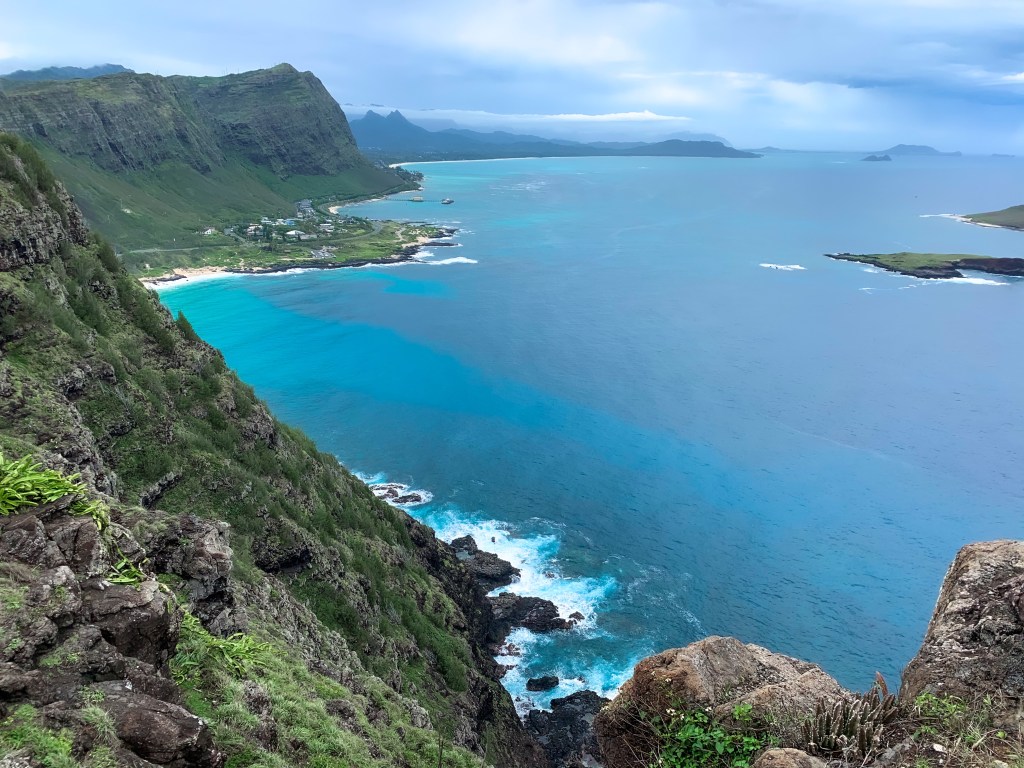
Once we arrived at our recently booked accommodation in Waikiki, we dropped our bags and planned to go on a walk to explore the area.
After the lack of concern by the customs agent, the Sixt car rental staff assured us that tourism was still going strong in Hawaii and COVID-19 hadn’t affected the islands at all. So we were excited to leave our masks at home and explore!
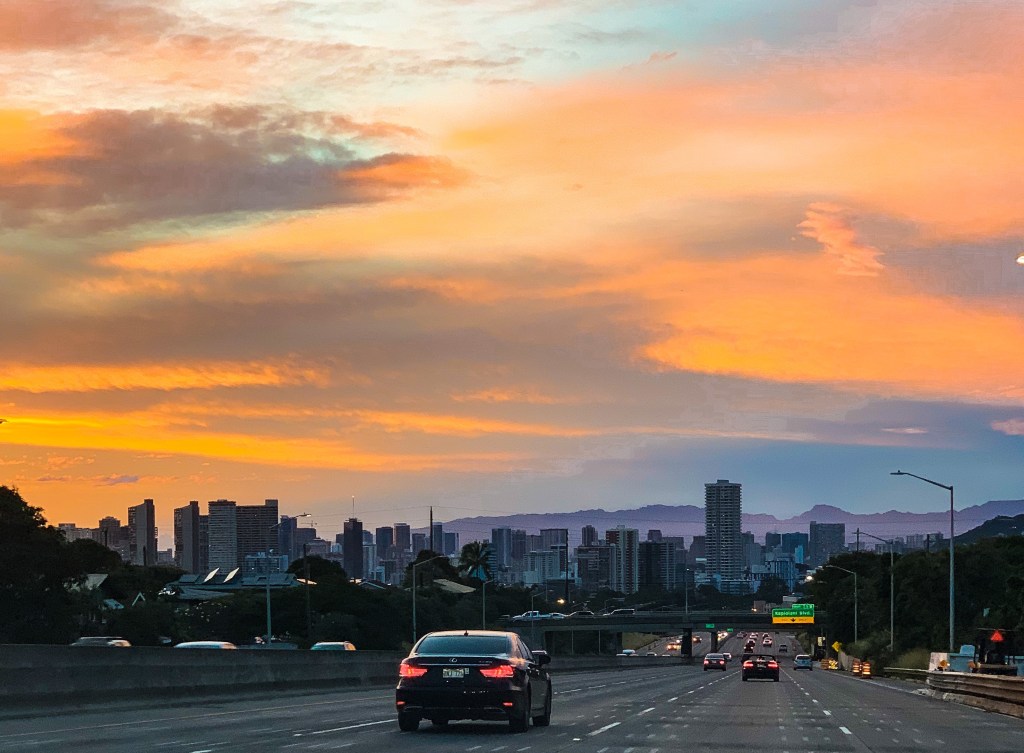
However, after two minutes of walking down the road to the main strip at Waikiki Beach, we were immediately feeling extremely uncomfortable. We knew people were flying in with no questions asked, and to make it worse, the beach, restaurants, crosswalks, ABC stores and more were all completely packed with tourists.
No masks, no social distancing, clearly not being smart nor safe. We weren’t sure what to initially expect, but it all just felt very wrong.
For the next 5 days, we primarily stayed in our rental apartment, unless we were heading off to a hike or a run outside away from people. It rained A LOT so there wasn’t really much else we could do anyways. But we wanted to do our best to social distance and not put ourselves or others in harm, while still enjoying as much as we could in Hawai’i.
We kept our masks with us at all times, and wore them anytime we were around other people. This warranted LOTS of stares, which was new for us after being in multiple countries where wearing a mask is a form of respect for others. We attracted many comments, and even had people treating us like we were wearing a Halloween costume.
It felt really strange that we were in a place that was relatively close to Asia (where masks are well-respected) and yet people were laughing at us for protecting ourselves. During a WORLDWIDE pandemic.
Would people have acted differently if they had known we had just been in Asia for the past 3 months? Had just been on a 9 hour flight just days earlier? Were trying to protect them just as much as ourselves?
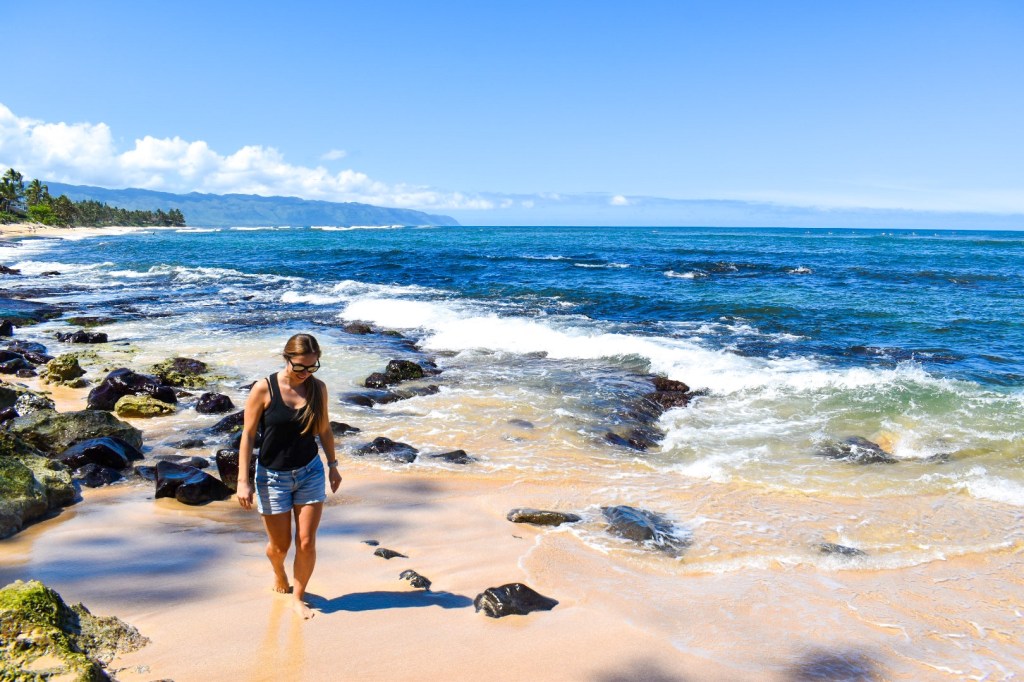
After five days on Oahu, we flew to the island of Kaua’i on March 21st as planned. We were greeted with airport workers telling us that Kaua’i was now enforcing a 9pm curfew.
While we were in the shuttle heading to pick up our rental car, we heard others speaking about how all flights into the islands were going to be cancelled and everyone flying in now would have to quarantine for 14 days. We were glad to hear Hawai’i was stepping it up!
Things were getting a lot worse back home in the Northeastern United States. Multiple states were declaring “stay at home” orders and city lockdowns. COVID cases were multiplying everywhere, by the day.
This was the case in Hawai’i as well, but given there were only 6 cases total when we arrived, the numbers were much lower.
When we flew to Kaua’i 5 days later, the number of total cases in Hawai’i had increased to the 50s. It was at this point that we decided to cancel the last 5 days of our trip (in Maui), and we changed our flights home to leave from Kaua’i on March 26th.
Kaua’i itself only had 3 cases, so we initially felt like we may still be able to make the most of our time there, since everything on our list involved exploring the outdoors, away from people. We hoped to drive around the island, check out some amazing beaches, go hiking, possibly snorkeling, and hopefully relax a bit before we headed back home.
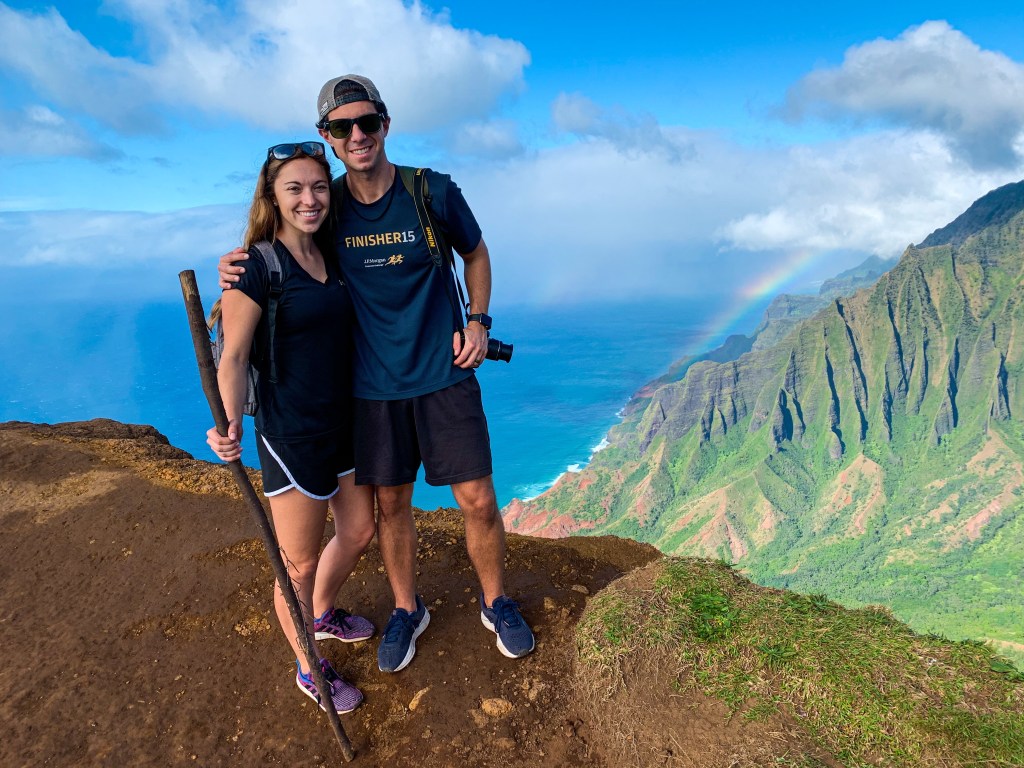
Our first day went as planned and we did an amazing hike in the Na Pali Coast State Wilderness Park! We also stopped by the Waimea Canyon, but it was blocked off and closed to visitors. Luckily we still got to see some incredible views.
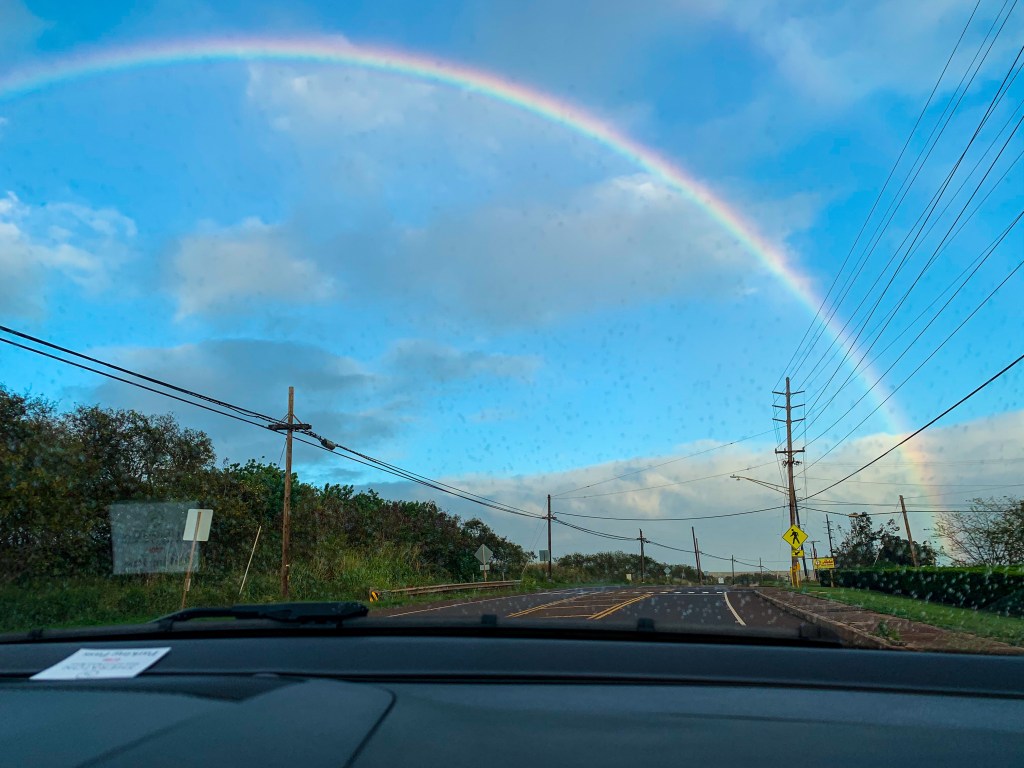
On our drive back to our hotel, we heard a news announcement that Kaua’i would now be maintaining strict enforcements regarding all visitors. We would now require a Beach Permit to visit any beaches on Kaua’i. This may sound innocent enough, but when we looked into it more, we found out that they were only issuing 100 permits per day for everyone on the entire island! This would effectively limit groups of people from congregating on beaches, which was definitely a good thing. But it would really limit much of what we could do, see, and explore if we weren’t able to get passes.
When we went to buy passes online, there were only two tickets left available for the entire week. What luck!
We bought them immediately, and then found out that all parking within 3 miles of any beach required a $50 permit additionally. We grudgingly bought that too, and really hoped that our $65 beach day would be worth it. It really felt like Kaua’i was saying “Get Out” in the nicest way possible.
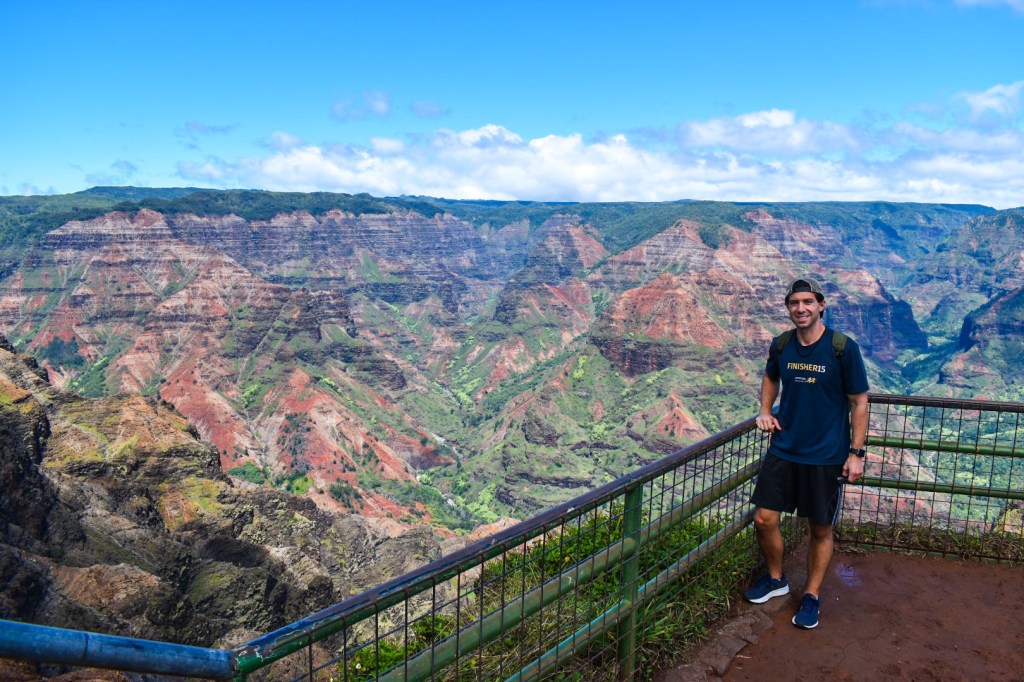
The next day while we were at the beach, we both received emails from Southwest airlines that a portion of our flight home was cancelled. This was the cherry on top of our whole experience in Hawai’i.
At this point, we were supposed to have 3 more days in Kaua’i and then fly back home on March 26. We thought about our options all day, and went back and forth multiple times. But we ultimately decided to change all of our flights again: to leave immediately on the first flight out the next morning.
Changing and canceling travel plans brings such a sad and confusing feeling that is difficult to describe. You feel the loss of missed plans, the heartbreak of what could have been, and the frustration at the entire situation for ruining something you worked for, for such a long time.
Of course, we totally understood and agreed with going home, but we still had so many mixed emotions.
We ultimately returned home from Hawai’i a full week early. But coming home was the right decision for us.
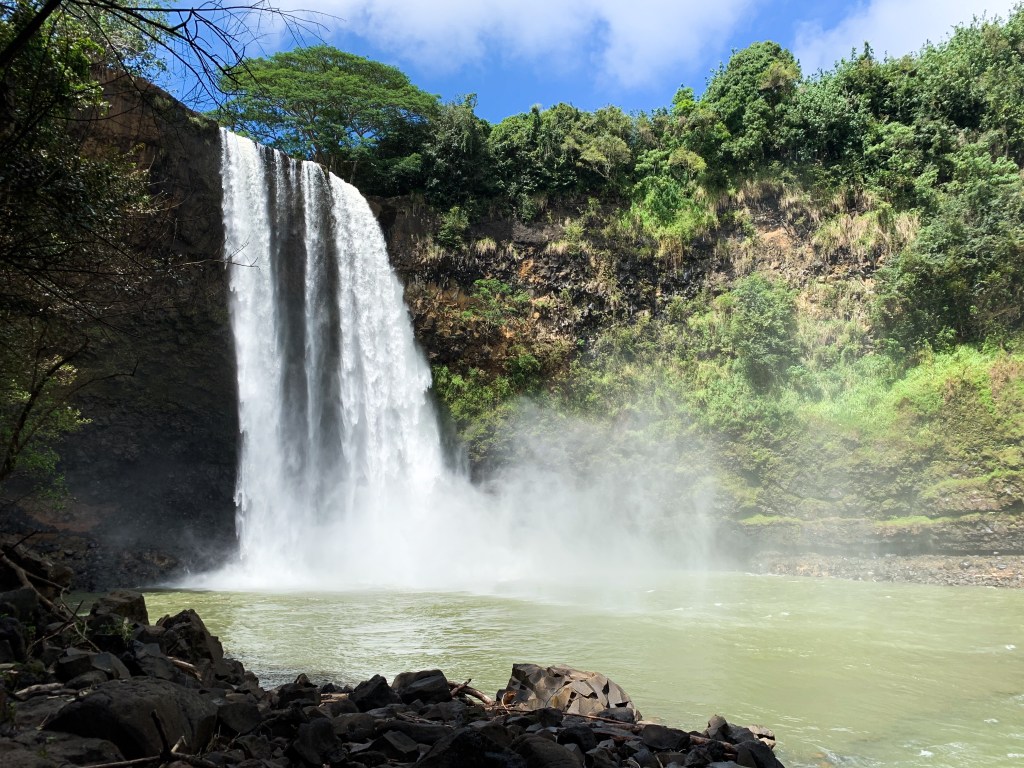
Total cases in Hawai’i increased to over 100 in just those 3 days we spent on Kaua’i. And cases were increasing everywhere on the mainland United States. Flights were cancelled left and right, and we knew we just needed to make it home so we could lay low and not have to stress.
No, we didn’t want our trip to end, but we were looking forward to some comfort and recognizable surroundings in the place we call home. So we got our N95 masks ready and boarded our flights to San Jose, Phoenix, and ultimately home to Buffalo.
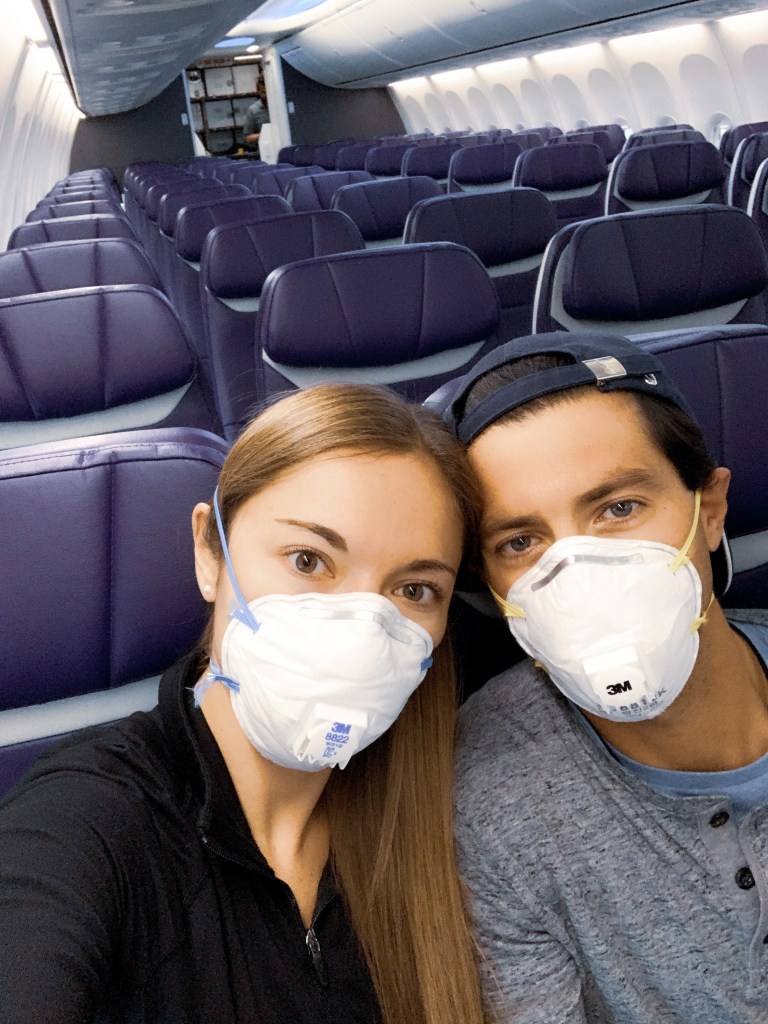
Now that we are home, the virus has gotten exponentially worse. Hundreds of thousands of people have been diagnosed with COVID and unfortunately many thousands have passed away. We have been staying in since we arrived back home on March 24th, and will be continuing to social distance for the foreseeable future.
Now that our journey around the world has come to an end, we feel incredibly blessed to have been able to travel abroad before this pandemic. Even though not every single thing went according to plan, we have so many amazing memories from the past year and a half. We loved every second and can’t wait to travel again someday when all of this is over!
Extra Time Abroad is a lifestyle blog focusing on three areas: finance, sustainability, and travel. The blog is managed by husband/wife duo JJ & Janelle. They can be found on Instagram @ExtraTimeAbroad or at the airport!
 Extra Time Abroad
One thought on “Part 3: Our final days in Asia during the Coronavirus Outbreak”